3 Challenges Standing Between Medical Findings And Patient Care
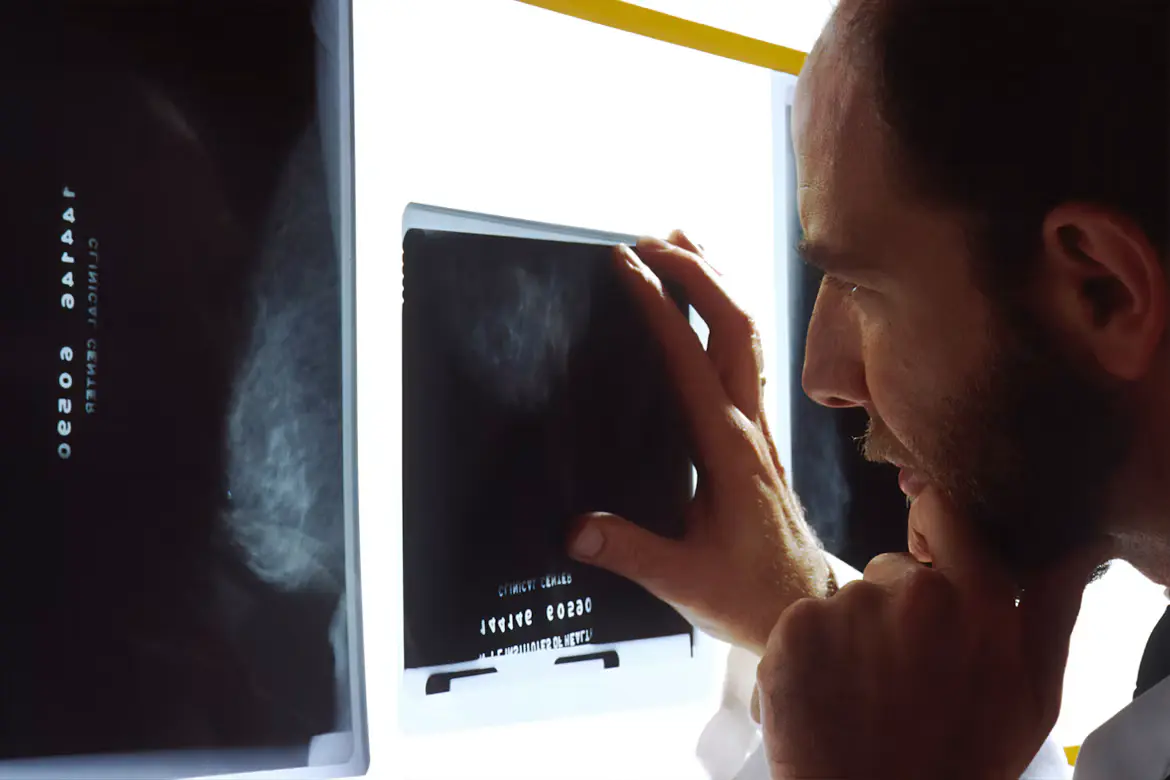
The way diseases are investigated and detected has completely changed today, thanks to medical imaging. Be it subtle fractures or abnormalities in internal organs, diagnostic scans provide valuable insights into the workings of the human body.
While that is revolutionary, simply discovering a medical concern is the tip of the iceberg. A recent report by the Radiological Society of North America (RSNA) noted that only 17% of patients with incidental findings discovered through emergency department imaging receive a follow-up.
Christopher Moore, MD, an expert in emergency medicine with a focus on diagnostic imaging, observed, “Unfortunately, many incidental findings in emergency department patients may not receive the follow-up that they should.” This tells us that diagnostic information alone cannot guarantee better patient care.
This article explores three challenges that usually stand as roadblocks between medical imaging results and patient care. Addressing them can strengthen clinical decision-making and improve continuity of care.
Gaps in Patient Understanding
A radiology report may contain valuable information about a patient’s health. However, its clinical terminology may be such that it never translates into meaningful understanding. Consider terms such as opacity, lesion, or degeneration. Not every patient can understand what these terms mean with certainty.
Even if an abnormality has been detected, patients may struggle to distinguish between an observation that needs further tests and one that carries little significance. In a recent qualitative study involving 20 participants who reviewed coronary calcium CT reports, 85% reported confusion over medical terminology/acronyms. 40% experienced anxiety, and 35% reported feeling a sense of fear as they went through their results.
These findings tell us that clinician-oriented reporting can leave patients struggling to understand details about their own health. Such uncertainty may increase distress, encourage misconceptions, and make it difficult to understand why further consultation is needed.
How to Overcome This Challenge
-
The first step is to explain unfamiliar radiological terms in ways that patients can understand.
-
Clarify that an imaging report describes what is visible on a scan, but its clinical significance is only established through medical assessments.
-
Give patients opportunities to express their concerns and understand why additional tests or consultations may be recommended.
-
Use visual explanations, including annotated images and diagrams, to help patients connect written descriptions with the structures being examined.
The Clinical Expertise Needed to Turn Medical Information Into Action
Diagnostic findings are a piece in a patient’s health puzzle. They have to be considered alongside the patient’s medical history, symptoms, physical examination, and other test results. This process requires healthcare professionals to understand different aspects of a patient’s condition in relation to one another.
In many cases, nurses contribute to this process through patient assessment, monitoring, and communication with physicians. However, these responsibilities are not just about being conversant with medical terminology. A sound understanding of anatomy, physiology, pharmacology, etc., is essential to recognizing patient conditions and communicating concerns.
In case of any gaps in clinical preparation, it can become more difficult to identify warning signs. At the same time, any important findings will not receive timely attention, further aggravating the issue. On that note, one cannot forget the healthcare staff shortage, be it in terms of physicians or nurses.
The World Health Organization (WHO) warned just last month of an impending healthcare workforce gap, with one in four doctors nearing their retirement age. The situation is equally bleak from the viewpoint of nurses who leave due to burnout and long work hours. So, where is the clinical expertise?
How to Overcome This Challenge
This one isn’t a very straightforward problem, which means different strategies may be needed. Mainly, healthcare institutions need to create conditions that encourage more people to enter and remain in the workforce. That can begin with greater accessibility of educational pathways, one example of which is MSN direct-entry programs.
As Saint Leo University states, such programs allow aspirants to pivot into the nursing profession without starting their education from scratch. The direct-entry part of this Master of Science in Nursing (MSN) allows eligible graduates from all fields to pursue nursing education.
Online study modes can make learning flexible and accessible, but that’s not all. Besides better opportunities to enter the profession, the industry needs ways to retain people. That can be done through the following approaches:
-
Address the causes of healthcare staff burnout, such as understaffing or burdensome workloads.
-
Create opportunities for career growth in the form of structured mentorship and supportive leadership.
-
Reduce workforce disparities through affordable education, inclusive recruitment, and stronger protections against workplace discrimination.
The Breakdown in Communication and Continuity of Care
Suppose all of the processes go right, as in, a diagnostic result is correctly identified and clinically assessed. Still, it fails to influence patient care. This happens if the information does not reach the right people at the right time.
Patients tend to go back and forth between emergency departments, hospitals, and specialty clinics. Test results may remain unreviewed, or discharge summaries may omit any pending follow-ups. If the immediate step is not clearly mentioned, patients are left to coordinate their own care.
The patient-safety implications of such gaps are unmistakable. According to a Becker’s Hospital Review report, an analysis of 10,000 safety events by ECRI found that 73% of medication-reconciliation errors occurred during transitions between healthcare settings.
These transitions often include hospital admissions, transfers between departments, and discharges to home or other care facilities. ECRI identified inadequate communication and coordination during discharge as its leading concern in 2025. What else can be expected from incomplete handovers and disconnected records?
How to Overcome This Challenge
The solution won’t be as simple as sharing medical records. What healthcare organizations need are reliable processes that establish the names of those who receive information, act upon it, and ensure the completion of the next step. That being said, the following strategies should help overcome communication gaps through accountable care coordination:
-
Establish closed-loop communication where a finding is promptly identified, information is timely received, and appropriate action is taken.
-
Ensure that discharge and referral workflows identify the professional or team responsible for reviewing pending results, contacting patients, and tracking missed follow-ups.
-
Improve information exchange by helping authorized professionals access imaging reports, medication changes, and follow-up plans across different healthcare facilities.
FAQs
Why is it important for patients to understand their radiology reports?
Understanding radiology reports helps patients recognize the significance of their findings, ask informed questions, and understand the need for further tests. It can also reduce unnecessary anxiety caused by unfamiliar medical terminology.
How do healthcare workforce shortages affect patient care?
Staffing shortages increase workloads, lead to burnout, and make it harder for healthcare professionals to provide timely assessments and follow-up. High turnover can also disrupt continuity, reduce institutional experience, and place additional pressure on remaining staff.
What can healthcare providers do to prevent communication gaps during patient care transitions?
Providers can implement closed-loop communication, standardized handoff procedures, and interoperable electronic health records. These measures help ensure that important findings are received, reviewed, and acted upon across healthcare settings.
From Medical Findings to Actionable Patient Care
| Stage of Care | What Needs to Happen |
|---|---|
| Finding identified | The radiologist documents the observation and its clinical significance. |
| Result communicated | The finding reaches the responsible healthcare professional. |
| Patient informed | The patient receives a clear explanation of the result and its implications. |
| Follow-up arranged | Further tests, referrals, or treatments are scheduled as needed. |
| Action verified | The care team confirms that the next steps have been completed. |
There is so much more to medical imaging than the image itself. From qualified professionals assessing an image accurately to patients understanding it, each step is equally crucial for better care outcomes.
However, the loopholes in these stages remain evident in US healthcare. According to the Office of the National Coordinator for Health Information Technology, 20% of patients in 2024 waited longer for test results than they considered reasonable. 10% had to repeat their tests because earlier results were unavailable.
If anything, we learn that progress depends on making medical information understandable and strengthening the healthcare workforce. When all the necessary elements work in harmony, clinical observations become actionable information that can support timely and safer treatment decisions.