
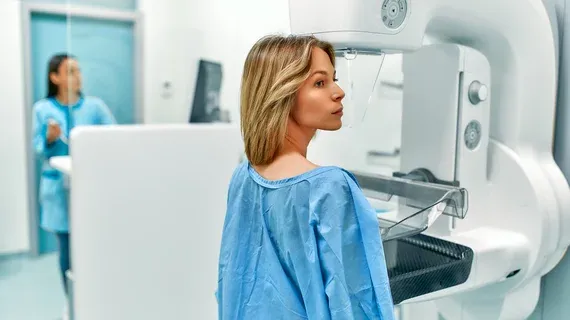
AI algorithms can analyze mammograms to predict cardiovascular disease risk, expanding the utility of breast imaging.
Key Details
- 1Researchers developed a deep learning model using mammograms and patient age to predict future cardiovascular events.
- 2Study analyzed data from over 49,000 Australian women screened between 2009 and 2020.
- 3Median follow-up was 8.8 years; over 3,300 participants experienced major cardiovascular events.
- 4Breast arterial calcification and other mammographic features were used as predictive markers.
- 5No external data beyond routine mammograms required for risk assessment.
Why It Matters
This study demonstrates that existing mammogram data can serve dual purposes, enabling both cancer and cardiovascular risk assessments without added tests or data. It highlights the potential of imaging AI to enhance preventative care and broaden radiology's impact.
Source
Cardiovascular Business
Related News

•Radiology Business
Framework Assesses Real-World Financial Impact of Radiology AI Adoption
A new analysis presents a financial calculator for objectively assessing the return on investment (ROI) of implementing radiology AI solutions.

•Radiology Business
AI Technique Unveils Previously Hidden MS Gray Matter Lesions on MRI
Researchers developed an AI-enhanced method to detect previously invisible gray matter lesions in multiple sclerosis using MRI.

•Radiology Business
Majority of Patients Want Disclosure When AI Used in Imaging
A new survey finds that nearly all patients want to be informed when AI is utilized in medical imaging interpretation.