
Why Brain Injury Claims Often Depend on CT Scans and MRIs
Someone rear-ends you at a red light, but you seem to be okay. So, you hop out, exchange information, and tell everyone there’s no need to call an ambulance. Your neck doesn’t hurt, and you didn’t black out – no big deal.
But then later that night (or in the morning, after your muscles have cooled down a bit), you start having the worst headache you've ever had. And no matter what you do, the pain persists. Then, if that wasn't the worst of it, you go towards the kitchen and suddenly forget how you even ended up there, or what you were looking for in the kitchen. You're confused. But you brush it off. So you go to work, but your boss warned you several times about spacing out.
And even though you might not connect any of this to the car accident, the accident is actually what caused it all.
You might not even notice anything at first, but that doesn’t mean that there’s nothing there. Or that something won't sneak up on you at a later date.
Why Doctors Usually Start With a CT Scan After Head Trauma
Unless the car accident you got into was serious, what you’re thinking next is insurance and claims. You’ll contact a reputable law firm that specializes in car accidents, such as Chicago Auto Accident Attorneys, to handle the claim for you and then wait for the payout.
While this IS important, that’s actually not the right way (sequence-wise) to go about this. Safety/health comes first, always.
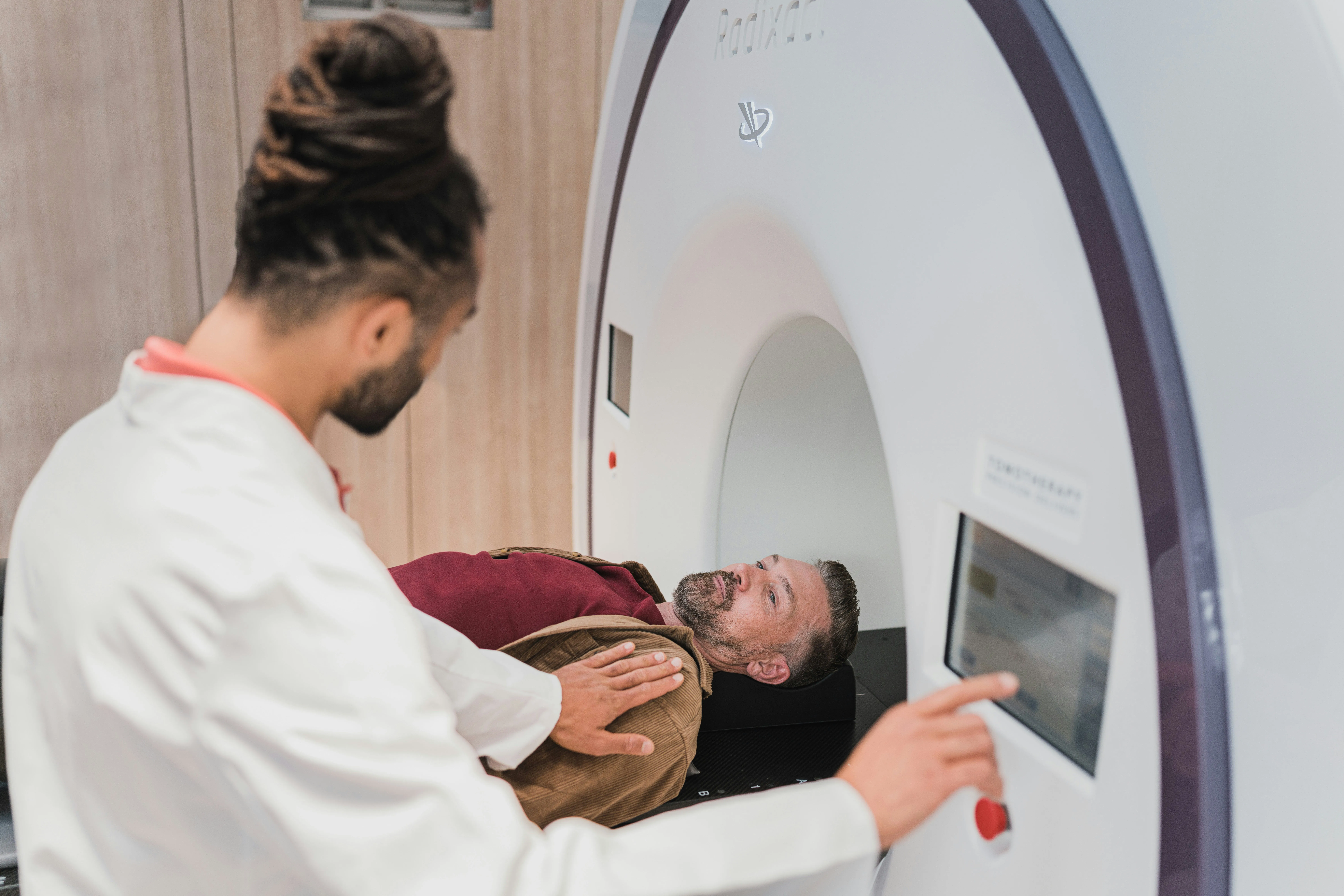
Even if you don’t think the accident was serious, you still need to get checked out, and you’ll see that every doctor will think the same. They’ll order a CT scan first because right now, it’s all about getting the fastest results possible. MRI is better at getting a clear picture of the brain, but it’s quicker to get a CT scan.
That speed is important because during those first few hours, doctors need to see if there’s bleeding inside the skull or swelling that’s starting to press on the brain.
Keep in mind that not everyone who bumps their head has to have a CT scan.
Doctors will look for signs, like losing consciousness, severe headache, vomiting, seizures, bruising behind the ears, etc. Nobody has time to wait for improvements in these situations, so a CT scan is the first thing doctors will reach for.
So, what is that CT scan looking for? It’s looking for bleeding inside the brain or around it, cracks in the skull, and early signs of swelling.
Any of these can kill you or cause permanent damage if you don’t get treated on time.
A CT scan is excellent at spotting fresh blood because it looks bright white on the images, so it’s easy to distinguish it from the brain tissue around it. And if a doctor sees bleeding, they can move on to surgery or intensive care right away. CT isn’t supposed to diagnose every little bruise on the brain, but just to let the doctors know if the patient needs emergency intervention right now.
Everything else can wait for later.
Obviously, these are all purely medical decisions, but those CT images can also become part of your official medical record that you’ll show your lawyer, insurance company, or whoever is reviewing your case later.
So, as important as a CT scan is for treatment, it’s also important because it can document exactly what happened after the accident.
What CT Scans and MRIs Show About Brain Injuries
Now, let’s get into the difference between these two. They’re not the same, and they’re most certainly not interchangeable.
A CT scan gives you a rough map.
It’s fast, and it’s great at finding big problems that need to be taken care of ASAP, or they’ll kill you or leave you disabled within hours. Emergency rooms primarily use CT scans, and they’re available in almost every hospital.
An MRI is a completely different thing.
The process of getting an MRI is much longer (sometimes even more than 45 minutes), but the level of detail it gives can’t even be compared to what a CT scan shows.
An MRI can see tiny bruises, small damage that never bled, and diffuse axonal injury.
That last one happens when the brain shakes or twists so hard that it causes the microscopic nerve fibers to tear. And because those tears don’t bleed, you can’t see this kind of injury on a CT scan. An MRI, though, will see this as little spots on the brain. That’s why you could get a perfect CT scan but still feel dizzy and foggy for weeks after it.
Basically, what’s happening is you’re injured, but the scan didn’t catch it because it’s not sensitive enough to see it.
Conclusion
When you file a claim or a lawsuit, you can’t expect anyone to believe what you say just because you say so. You have to prove that a specific accident happened at a specific time on a specific day, and medical records are a way to back all that up.
Even if your scans come back completely normal, that won’t necessarily kill your claim because the accident still happened, but it’ll make it harder to get the result you want. But an abnormal scan is hard to argue with.
Aside from saving your life, those images are your evidence.